
Olden Era Map Templates Explained — Jebus Cross, Exodus, Sprint and Every Ranked Template
By OldenEra.gg Staff
A map template in Heroes of Might & Magic: Olden Era is the recipe a random map is generated from: how many areas there are and how they connect, how strong the guards between them are, what the treasure areas hold, and how the game is won. Two games on the same template can look different and play the same; two games on different templates are different games. This guide collects the game's own description of every template that turns up in ranked play, and points you at the live numbers for each.
The descriptions quoted below are the game's, and so are the layout pictures: they are the diagrams the game's own template picker shows, where the numbered circles are the players' starting areas. The pick rates, average lengths and top performers are ours, computed from the ranked games the ladder tracks: see the Classic map meta and the Single Hero map meta, and the Duration tab for how long each one takes.
Every template below also has its own page in the template wiki, with its layout, map size, win condition and full game text in one place.
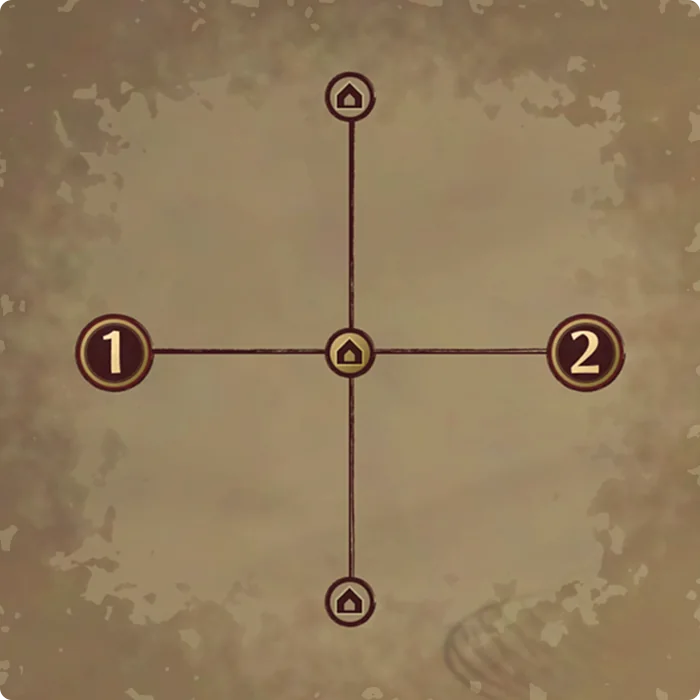
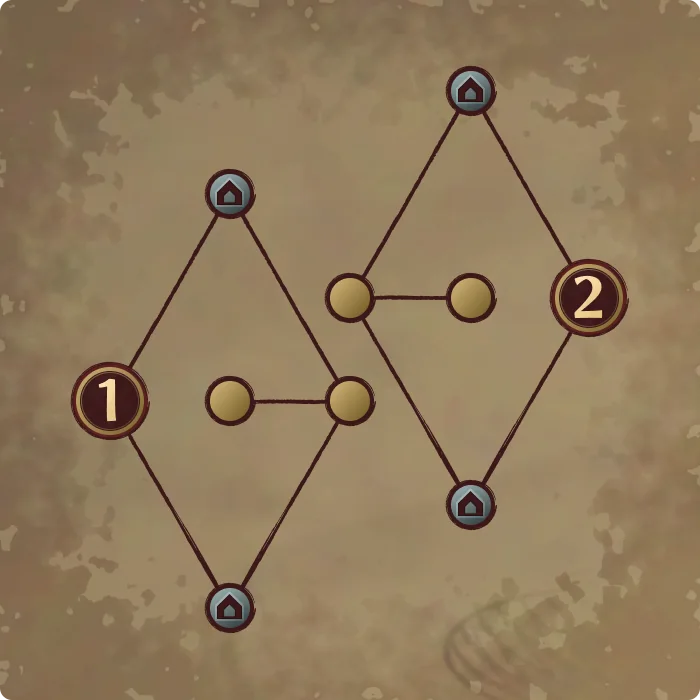
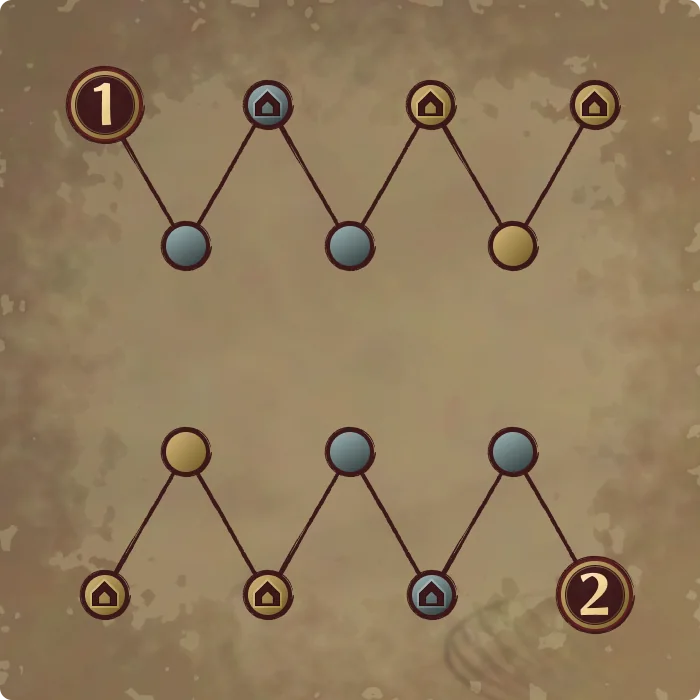
How templates shape a game
The game's random-map settings spell out what a template fixes: the game mode (Classic or Single Hero), the map size, the number of players and alliances, and how rich the map is. The template adds the layout — the areas, their connections and their guards — and the objective. Most ranked templates end in one decisive battle; some are won by holding a place, and the tournament variants are played as a series.
A few words recur in the game's descriptions and are worth knowing:
- Creature banks — in the game's words, "special map objects that grant units upon defeating their guards". Clearing them is how an army grows on the Jebus family of templates.
- Pandora's Boxes — chests that hold troops (often of your own faction early on, and of other factions in the centre later), the heart of the Outcast and Sprint templates.
- Desert / treasure areas — the rich zones behind the heavy guards; reaching them first is the race on most templates.
- Outer dwellings — creature dwellings on the map, outside your town, that add weekly recruits; on Universe they are the whole game.
For the rest of the vocabulary, see the Olden Era glossary.
Templates in ranked Classic
Jebus Cross
"This template is filled with incredible treasures! Reach the central area before your opponent to claim them — and secure victory in the final battle."
The game's detailed description: "A rich template focused on capturing 'creature banks' — special map objects that grant units upon defeating their guards. Success relies on efficient hero logistics and careful resource management to reach the lucrative central area as early as possible."
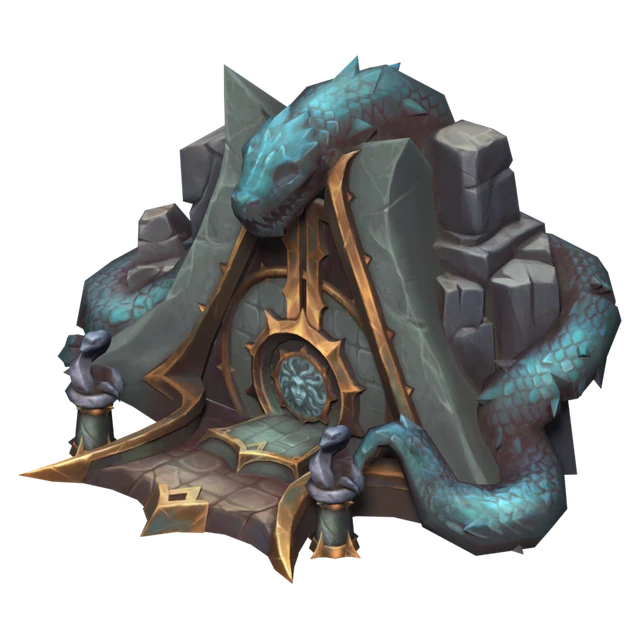
Jebus Cross is the backbone of the Classic ladder: in the first weeks of the current season it accounted for well over half of all recorded Classic games, climbing past 80% of them in early October. The game also ships Jebus Cross Classic, "familiar to players of the open beta", whose one difference is that "starting cities always match the players' chosen factions". Live Jebus Cross numbers → · Jebus Cross in the template wiki →
Jebus Tournament
"Guide your starting hero to the treasure-rich desert wastes, securing the wealth needed for the tournament battles ahead."
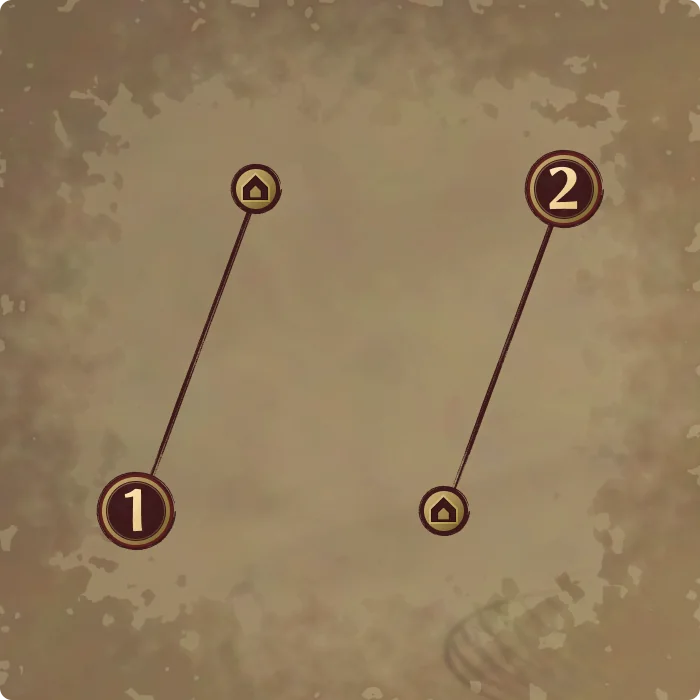
"A tournament version of the popular classic template. The starting hero selected before the match serves as your main champion in battle. Mirroring the original version, gameplay requires flawless logistics and smart resource management, with each player holding a path to their own resource-rich desert area." The second most-played Classic template on our ladder.
Jebus Tournament in the template wiki →
Infinity
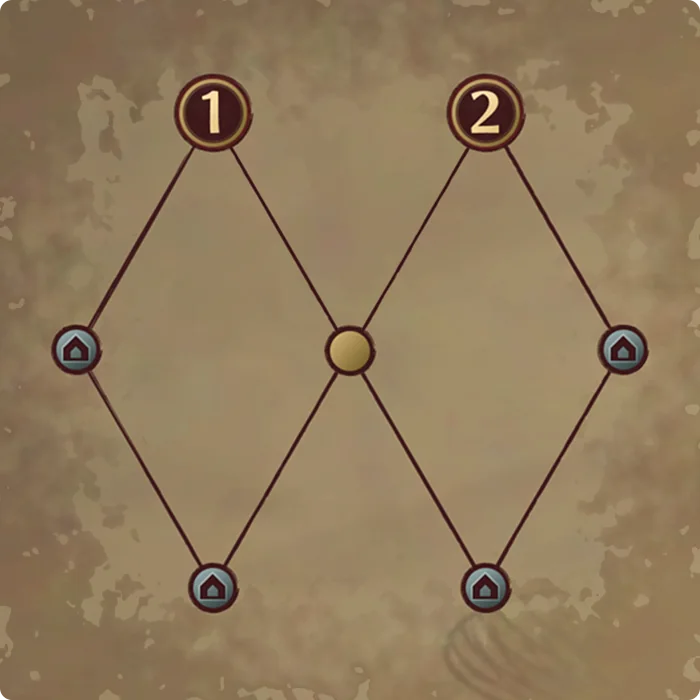
The game describes it as a race: "Race to the forgotten lands filled with immense treasure! Outsmart your opponent to claim victory." It appears in a small share of Classic games; its average length on our ladder has run longer than the Jebus templates. Numbers → · Infinity in the template wiki →
Arcade
"Fully built cities, massive armies, and max-level heroes. All the cards are in your hands — now prove you're the strongest!"
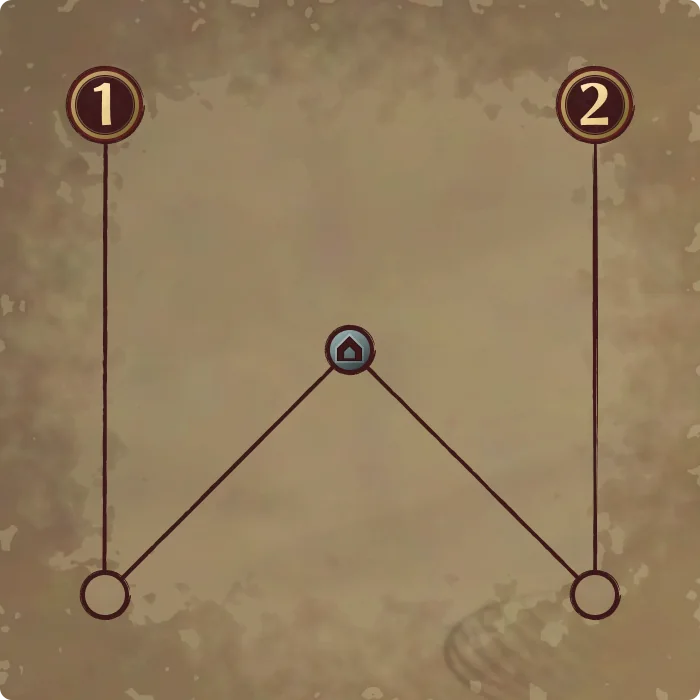
"A template that skips the city development phase entirely: your starting city comes fully built with all units ready for recruitment. After capturing a matching second city in your starting area, claim three key objectives — either Tier 6 or Tier 7 creature dwellings or the 'Point of Balance.' Then, push into the desert area in search of Pandora's Boxes packed with troops from different factions. Once your army is assembled, head to the center: holding the central city secures your victory." The shortest Classic games on our ladder are played here.
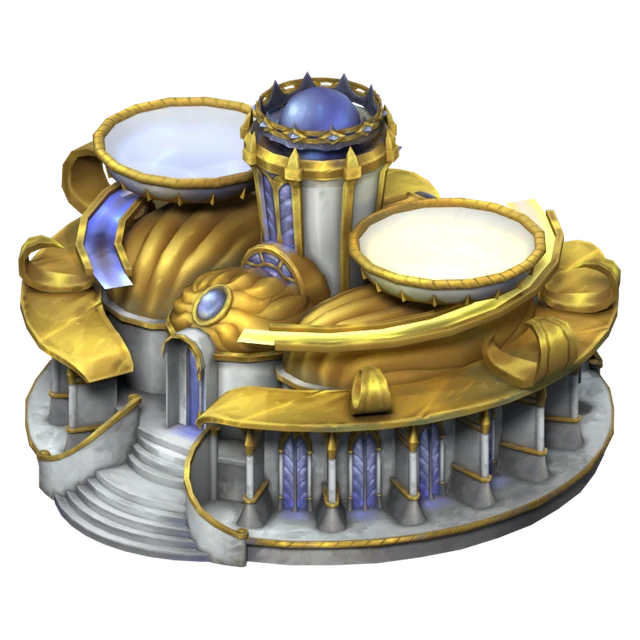

Last Fortress
"Defend your last fortress — losing it means losing the game! Fight through enemy forces and expand your lands."
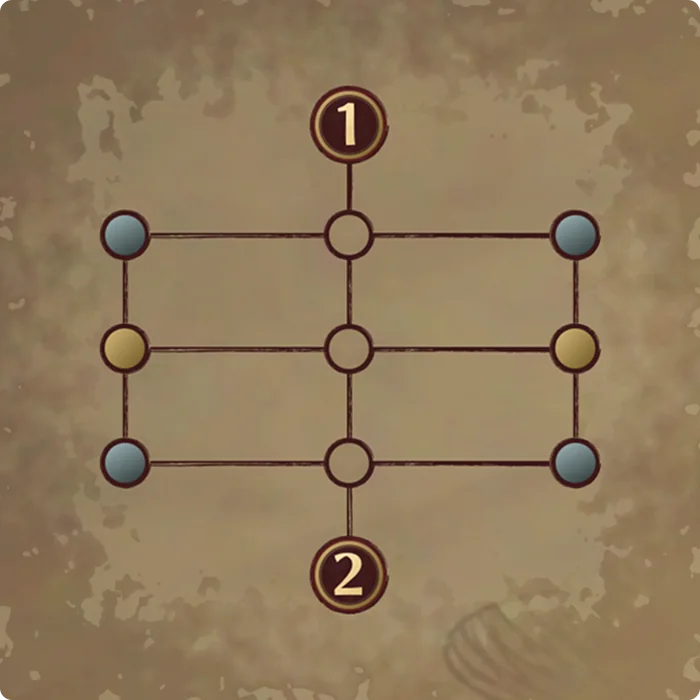
"A single-city template focused on capturing the opponent's stronghold. Victory hinges entirely on amassing resources across the map and mastering intricate unit logistics." Rare on the ladder, and among the longest games when it does appear.
Last Fortress in the template wiki →
Universe
"Outer dwellings do not provide weekly growth — manage your army carefully and defeat your opponent!"
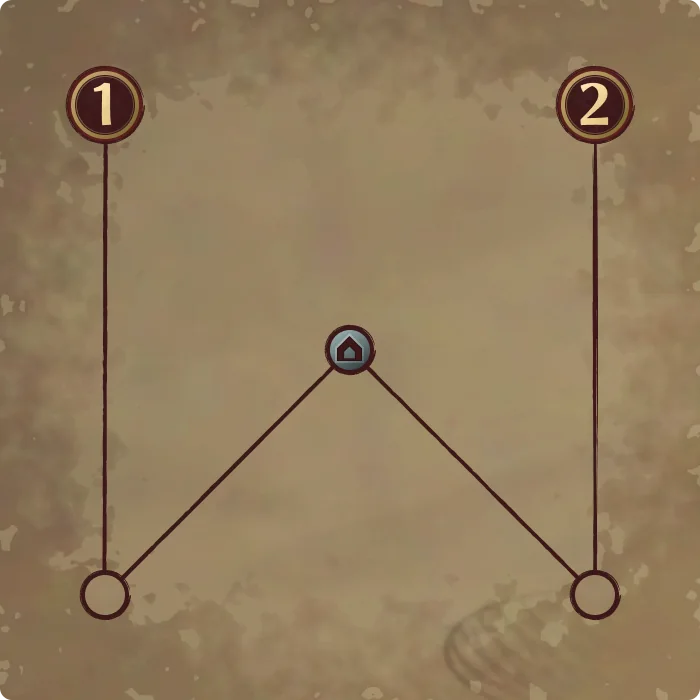
"A linear template emphasizing the capture of outer creature dwellings, which offer boosted growth by default. Controlling these dwellings lets you advance faster toward the central area, home to the key object required for victory."
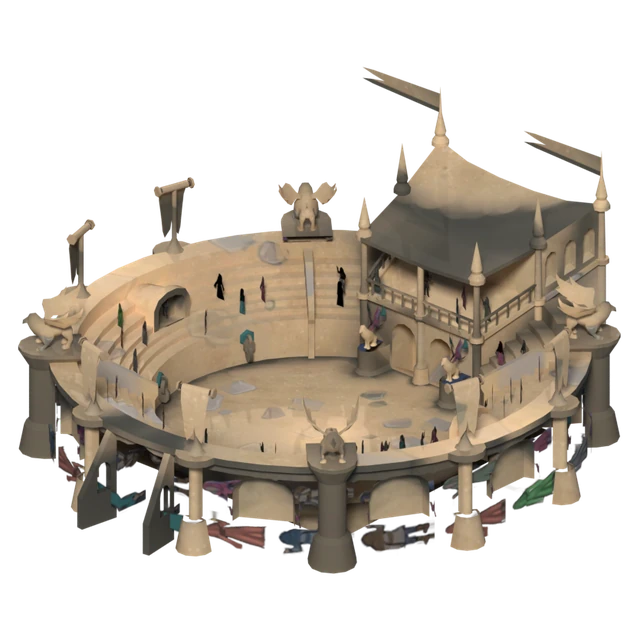
Universe in the template wiki →
Templates in ranked Single Hero
Exodus
"Develop your cities and strengthen your army to defeat the opponent in a series of weekly battles."
"A template focused on city development, featuring a map split into balanced halves for each player. Playstyle depends heavily on your starting area and its creature dwellings, which dictate your castle's build path. The primary objective is to reach the desert areas — and their immense riches — as early as possible."
The most-played Single Hero template on our ladder by a wide margin. It is a tournament: the game sets three battle dates in the first month (Week 2 Day 3, Week 3 Day 4 and Week 3 Day 5), and two points win it. The game also ships Exodus Classic, "familiar to players of the open beta", whose main difference is that "it is played in a Best-of-5 tournament format". Its share of Single Hero games, its average length and who performs best on it are on the Single Hero map meta, and the faction breakdown on it is on the Single Hero faction stats.
Outcast Tournament
"A rich template tailored for native faction troops. Amass a powerful army from Pandora's Boxes and clash with your opponent in the tournament!"
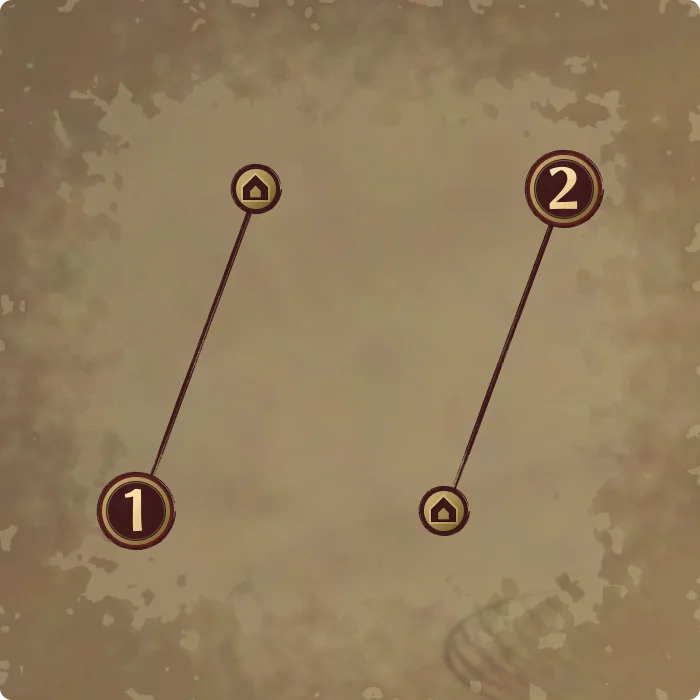
"A tournament version of the popular single-hero template. As in the classic version, you start with a set of Global Map spells. Use them to rapidly gather Pandora's Boxes and capture outer creature dwellings in your starting area, building the strength needed to defeat the guards in the rich desert treasure territory."
Outcast Tournament in the template wiki →
Sprint
"Obstacle course: make your way to the richest areas, battling your opponent along the way. Whoever earns more victories becomes the sprint champion!"
"A linear template focused on rapidly gathering Pandora's Boxes filled with troops. Each subsequent area yields higher-tier units, granting whoever reaches the furthest lands first a decisive advantage in the final battle."
Vendetta
"You have obtained scrolls of the essential Global Map spells. Use them to conquer the lands, collect all treasures in the central area, and crush your opponent!"
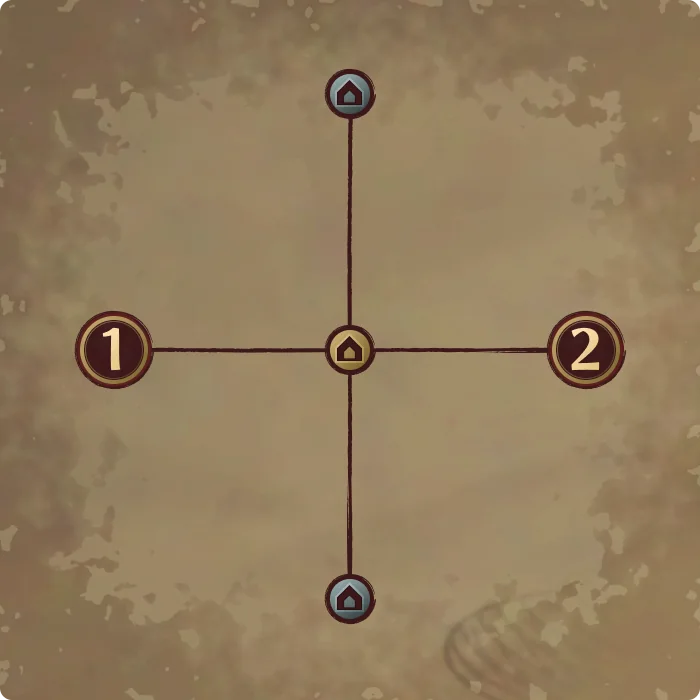
"A template where your hero begins with a full suite of Global Map spells. Your goal is to boost your magic attributes as quickly as possible to leverage these spells effectively, using them to rapidly gather Pandora's Boxes, clear the guards in the central desert, and build momentum. Victory requires more than a massive army: you must hunt down your opponent across the map for the final duel."
Vendetta in the template wiki →
Blitz
"Venture into untamed lands brimming with riches — claim your rewards and face your opponent at the end of the journey!"
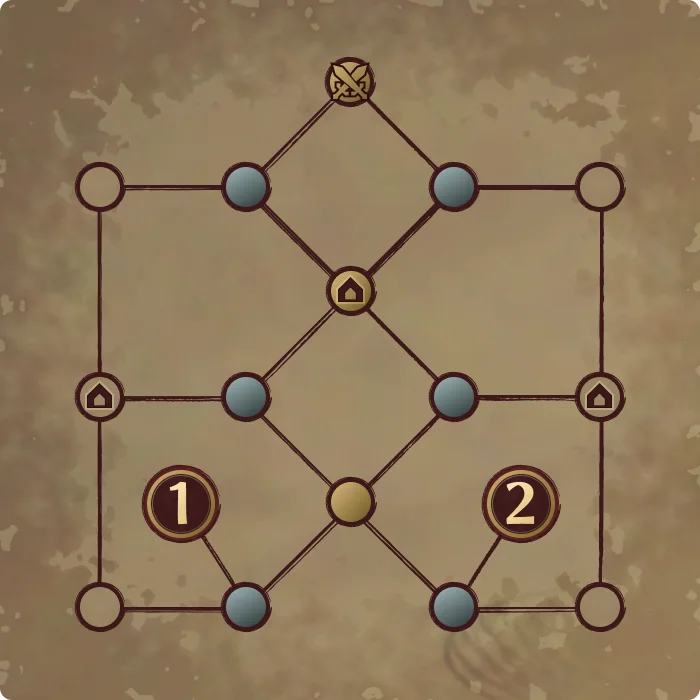
"A complex template designed for varied playstyles. Depending on your strategy, you can focus on city development and capturing creature dwellings, or bolster your army by fighting for 'creature banks' — special map objects that grant units upon defeating their guards. You can challenge your opponent to a final battle by using the 'Hell Light Arena', or hunt them down on the map to catch them off guard."
Helltide
"Challenge your opponent in the Hell Light Arena, or wait until the new month begins to be drawn into battle automatically. The winner takes it all!"
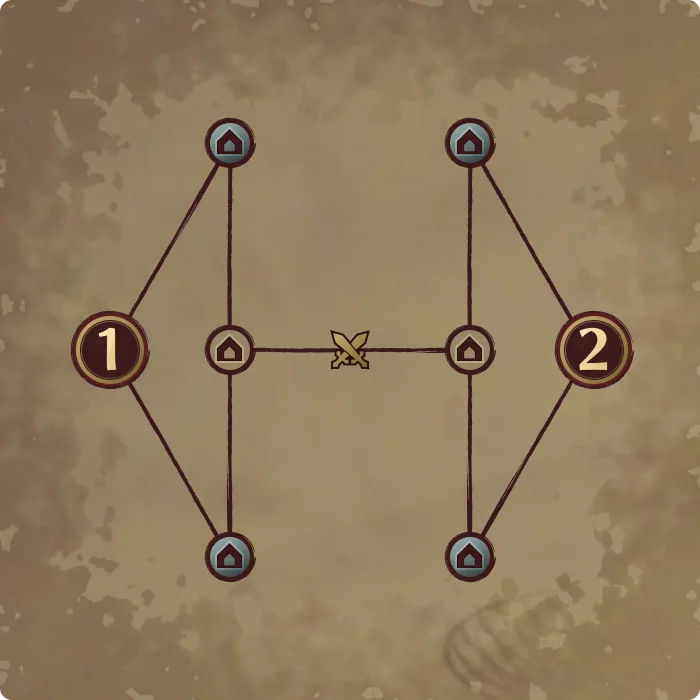
"A hybrid template combining city development with army recruitment from 'creature banks' — special map objects that grant units upon defeating their guards. Symmetrically split between players, the map features a unique 'Hell Light Arena' object that allows you to challenge the enemy hero to a duel." The game's rule for the battle: it "will begin on the 3rd day after a challenge is issued. If no challenge is issued by day 30, one will be declared automatically."
Helltide in the template wiki →
Single Hero templates from earlier seasons
These two had ranked games recorded before the ladders reset on 30 September. None has been recorded on them this season so far, so check the Single Hero map meta before you practise them.
Jebus Outcast
"A rich template designed for playing with a unifaction army. Assemble a mighty force from units found in Pandora's Boxes and face your opponent in the center."
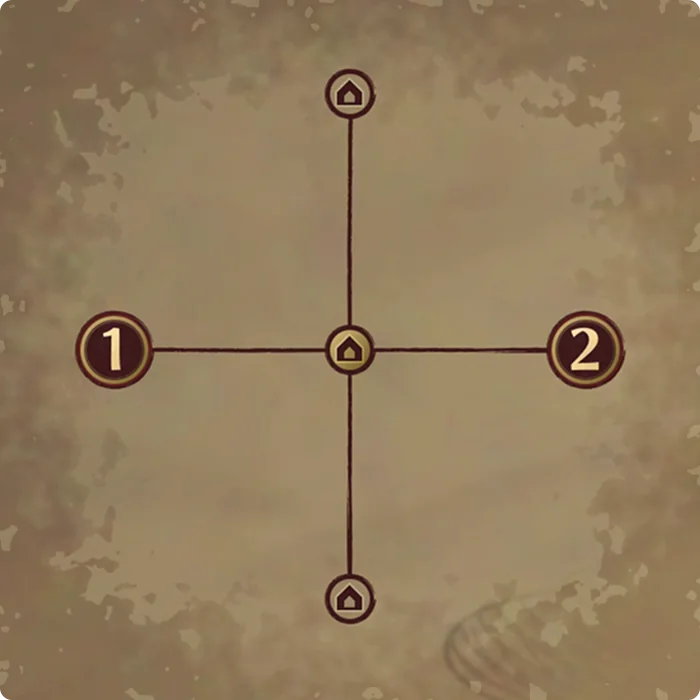
"A template where your early objective is collecting Pandora's Boxes packed with your faction's troops. This allows you to build up enough strength to break through to the central area, where new Pandora's Boxes await — this time containing high-tier units from other factions."
Jebus Outcast in the template wiki →
Harmony
"Defeat the opponent's hero and seize their starting city to secure victory in the final battle. Protect your own capital at all costs!"
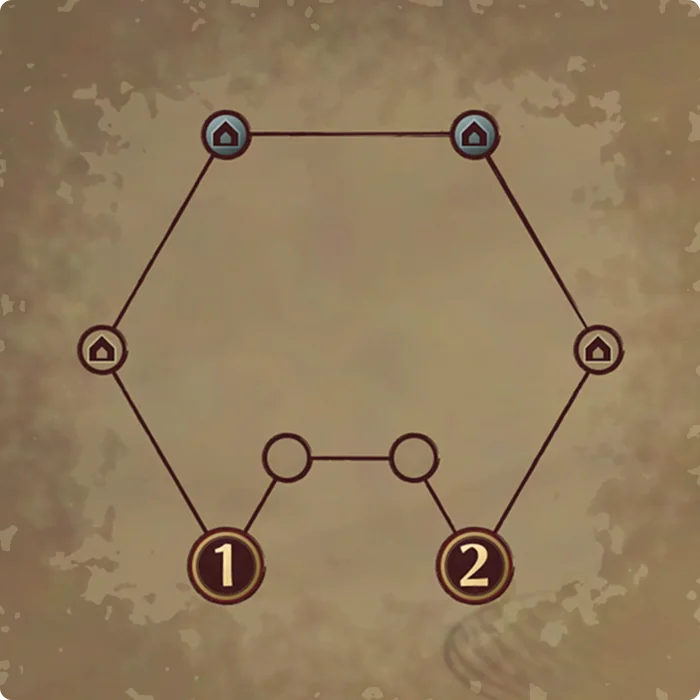
"A linear template focused on gradual, steady city development. As players explore new areas, they gain access to outer dwellings for high-tier creatures to reinforce their armies. A key feature is a heavily guarded pass between the starting areas, offering a direct route to rush the enemy castle."
Harmony in the template wiki →
Using this with the ladder
Template choice is where a lot of rating is won before the first turn. Three habits pay off:
- Know the current pool. The Meta tab shows which templates ranked games are actually played on this week, not which ones exist. Practise the ones at the top.
- Check the faction fit. Every faction page on the Factions tab breaks the faction's record down by template; a faction that is strong on the ladder overall can be weak on the template you are about to play.
- Budget the clock. The Duration tab gives the average in-game length per template. A template that averages four days is a different plan from one that averages ten.
For the mechanics behind these templates — Law Points, Astrology, creature banks and the rest — see the glossary, and for how the ladder itself works, How the Olden Era ranked ladder works.